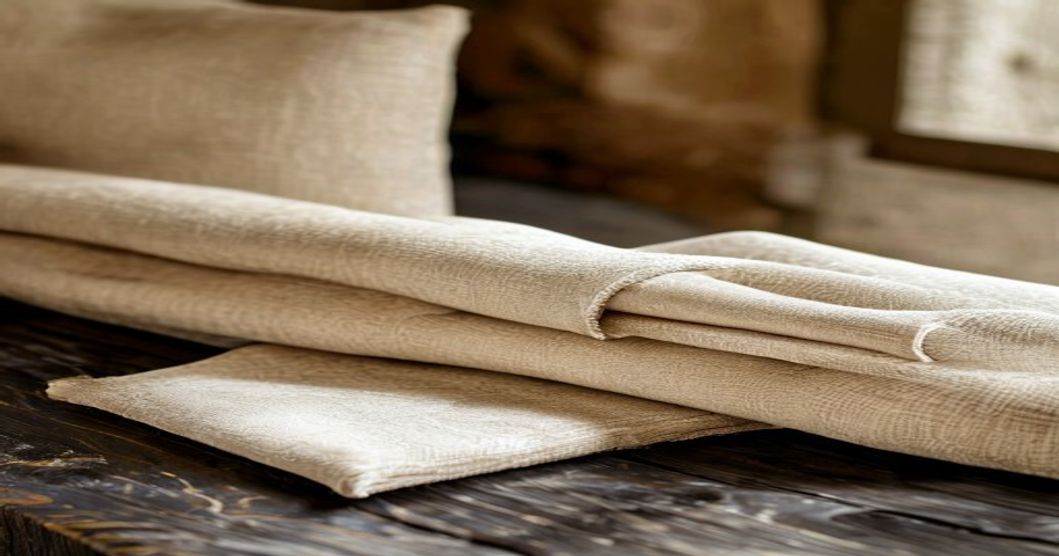
In the East Zone of the Dominican Republic --Bavaro, Punta Cana, Cap Cana, and La Romana-- the sun is not an occasional guest: it is a permanent resident. Humidity, salt air, and tropical rains are also part of the daily landscape. Therefore, choosing the right upholstery is not a minor aesthetic decision: it is an investment in durability, comfort, and property value.
At Casa Velura we have spent years helping homeowners, interior designers, and hotel managers make smart decisions about textiles and coverings. This guide summarizes everything you need to know before reupholstering or upholstering furniture in a tropical climate.
Why tropical climate changes the rules of upholstery
In temperate climates, upholstery is chosen mainly thinking about style, texture, and color. In the Caribbean, there are additional factors that cannot be ignored:
- Intense UV radiation: The Caribbean sun fades colors and degrades natural fibers in months, not years.
- Constant humidity: Promotes the development of mold, fungi, and odors in untreated fillings and fabrics.
- Salt air and sand: In beachfront properties, salt air corrodes metal structures and degrades certain fabrics.
- Intensive use: Vacation rentals and hotels demand upholstery that withstands frequent washing and continuous use.
Ignoring these factors is a recipe for wasting money. A beautiful but inadequate fabric can deteriorate in less than a year, forcing you to reupholster again.
The best fabrics for upholstery in tropical climates
Not all fabrics are created equal against the Caribbean sun. At Casa Velura we work with materials that have proven real resistance in projects in Bavaro, Punta Cana, and Cap Cana. These are our recommendations by category:
1. High-performance technical fabrics (outdoor/indoor)
Technical fabrics are our first recommendation for exteriors and high-traffic areas. They are next-generation synthetic fibers that mimic the appearance and texture of linen, cotton, or bouclé, but with integrated treatments:
- Anti-UV: Resist up to 1,000 hours of sun exposure without losing color.
- Water-repellent: They do not absorb moisture, preventing mold and stains.
- Stain-resistant: Spills clean easily without leaving a trace.
- Fade-resistant: Maintain their appearance for 5-8 years.
Brands like Sunbrella, Perennials, or similar offer collections that no longer look like "plastic": they look and feel like high-end interior textiles.
2. Treated linens and cottons
For interiors with good ventilation but considerable sun exposure, treated linens and cottons are excellent options. Look for versions with:
- Stain-resistant treatment (Teflon or similar).
- Integrated UV protection.
- Fabric weight above 300 gsm for greater durability.
Avoid untreated natural linens and cottons for areas with a lot of sun or humidity. They fade quickly and absorb odors.
3. Microfiber and high-density polyester
Microfiber has evolved enormously. High-quality versions offer:
- Excellent fade resistance.
- Easy cleaning (most stains come out with water and mild soap).
- Superior durability in intensive use.
- More accessible price than premium technical fabrics.
It is ideal for hotels, vacation villas, and families with children or pets.
4. Velvet and plush: yes, but carefully
Velvet is trending in luxury interior design, and in the Caribbean it also has its place --but not just any version:
- Opt for polyester velvets or synthetic blends, never silk or natural cotton for exteriors.
- Look for versions with stain-resistant treatment and UV protection.
- Reserve velvet for interiors with blackout curtains that filter direct sunlight.
At Casa Velura we have used technical velvets in Cap Cana projects with spectacular results, maintaining elegance without sacrificing durability.
The fillings: what you don't see matters most
A common mistake is to focus only on the fabric and forget the internal filling. In tropical climates, the filling determines whether your sofa feels fresh or suffocating, whether it develops odors or maintains its shape:
- High-density HR (High Resilience) foam: Minimum 35 kg/m³ for seats, 28 kg/m³ for backs. Recovers its shape and does not deform with heat.
- Ventilated polyurethane foams: Allow air circulation, reducing heat and moisture buildup.
- Siliconized or conjugated fiber: For decorative cushions, offers softness without compacting.
- Natural latex (indoors only): Excellent comfort and breathability, but avoid in exteriors or humid areas.
- Avoid: Low-density foams, wadding, or untreated cotton (absorb moisture and degrade quickly).
The reupholstery process: what to expect
If you are considering reupholstering an existing piece of furniture, this is the process Casa Velura follows in every project:
- Initial evaluation
We review the condition of the structure, fillings, and mechanisms (in the case of reclining sofas or beds). If the structure is damaged, we tell you before continuing. - Material selection
We present you with fabric and filling options according to use, location (interior/exterior), your style, and budget. We bring physical samples so you can see colors and textures under your light. - Disassembly and preparation
We completely disassemble the furniture, clean the structure, and repair any damage to wood or metal. - Cushion and cover manufacturing
We cut and sew each piece with precision, ensuring reinforced seams at points of greater tension. - Assembly and finishes
We install the new fillings, upholster the base structure, and make final adjustments so everything looks impeccable. - Delivery and care instructions
We deliver the furniture with specific cleaning and maintenance recommendations according to the materials chosen.
How much does it cost to reupholster a sofa in Punta Cana?
The cost depends on several factors: furniture size, design complexity, fabric type, and structure condition. As an approximate reference in the East Zone:
- Small sofa (2 seats): From RD$ 25,000 with standard fabrics, up to RD$ 45,000 with premium technical fabrics.
- Medium sofa (3 seats): From RD$ 35,000 to RD$ 65,000.
- Large sofa or sectional: From RD$ 50,000 to RD$ 120,000+.
- Dining chairs: From RD$ 3,500 per unit.
- Bed headboards: From RD$ 15,000 depending on dimensions.
These prices include labor, filling materials, and fabric. At Casa Velura we offer personalized quotes without obligation.
Common mistakes when choosing upholstery (and how to avoid them)
During years of work in Bavaro, Punta Cana, and Cap Cana, we have seen the same mistakes repeat themselves. Avoid them from the start:
Mistake 1: Choosing fabric only for aesthetics
That untreated natural linen fabric looks divine in the showroom, but on your Bavaro terrace it will fade in 3 months. Solution: Always ask about UV resistance, stain-resistant treatments, and durability before deciding on a fabric.
Mistake 2: Ignoring the filling
A perfect fabric over low-density foam will result in a deformed sofa in less than a year. Solution: Demand high-density HR foams with shape guarantee.
Mistake 3: Not considering maintenance
A white natural silk fabric in a vacation villa is operational suicide. Solution: For high-traffic areas or rentals, choose washable fabrics in medium colors with stain-resistant treatments.
Mistake 4: Upholstering over damaged structure
Upholstering a sofa with broken springs or damaged wood is like painting over a damp wall: the problem will return. Solution: Make an honest assessment of the structure before investing in new upholstery.
Mistake 5: Forgetting design coherence
The reupholstered sofa may look spectacular, but if it doesn't dialogue with the curtains, rugs, and general palette of the space, it will look disconnected. Solution: Think about the complete project. At Casa Velura we offer integral design advice to avoid this problem.
Upholstery for hotels and vacation rentals
Hotels and rental villas in Punta Cana have specific needs that upholstery must satisfy:
- Extreme durability: Continuous use, frequent washing, and constant sun exposure.
- Impeccable aesthetics: Guests judge quality by the appearance of textiles.
- Regulatory compliance: In many cases, fire-retardant fabrics are required (certified NFPA 701 or similar).
- Delivery times: Hotels cannot wait months. They need agile suppliers.
At Casa Velura we serve hotel projects with the same artisan precision we apply in private residences, but adapting materials and times to commercial scale.
The importance of professional advice
Choosing upholstery is not like choosing a shirt. A reupholstered sofa is an investment that must last years, and the wrong choice can cost you double (reupholstering again, plus the annoyance). That's why at Casa Velura we offer:
- Personalized advice at your property or in our showroom in Veron.
- Physical samples so you can see colors and textures under your natural light.
- Detailed quotes with no surprises or hidden costs.
- Work guarantee backed by years of experience in the East Zone.
Don't settle for the first thing you see on the internet. Talk to experts who understand the climate, materials, and design.
"At Casa Velura we believe that every piece of furniture tells a story. Our mission is to ensure that story is one of quality, beauty, and durability --even under the most intense Caribbean sun."